Easy Korean Pot Roast with Cozy Spicy Gochujang Sauce
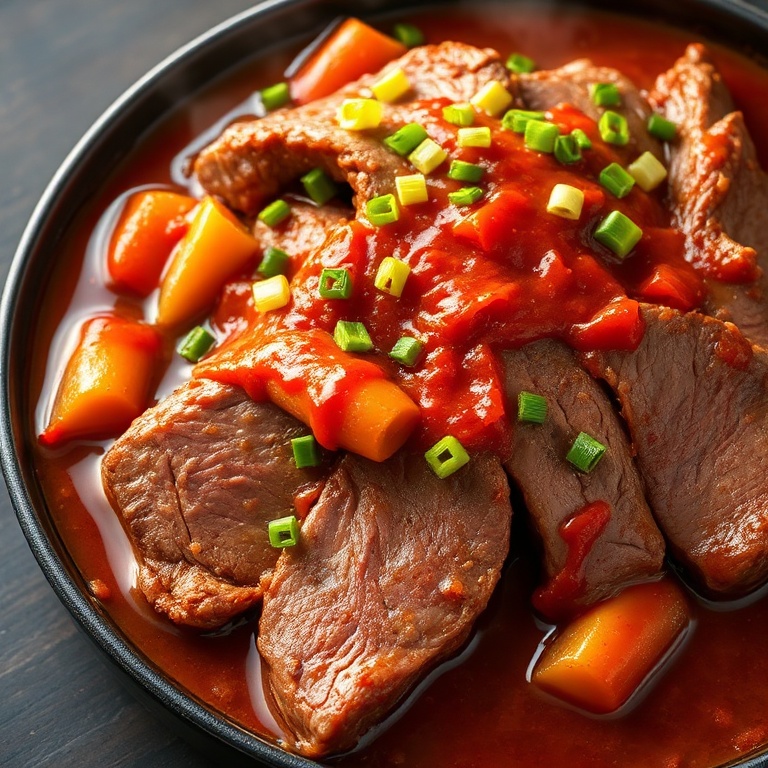
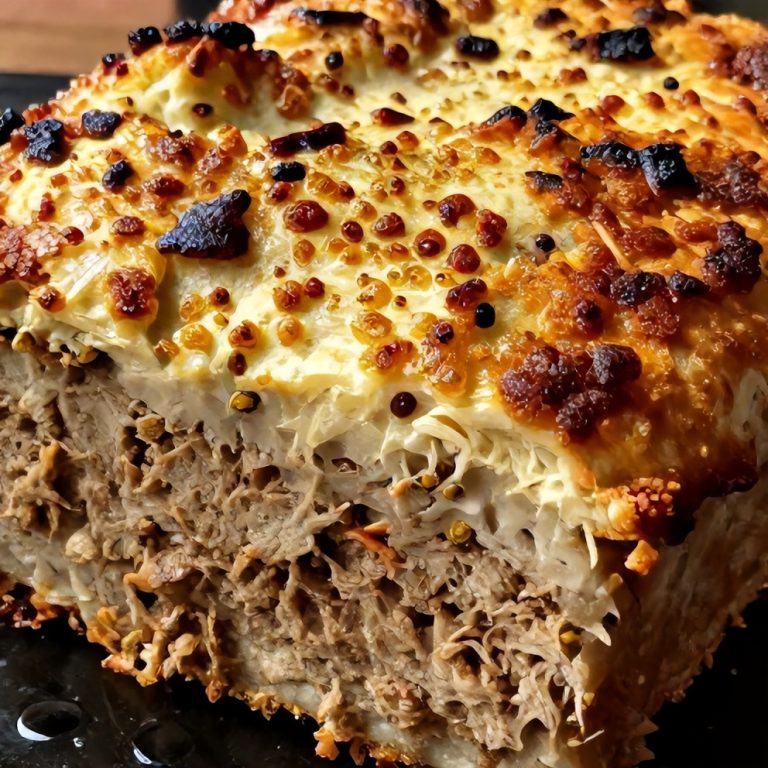
Easy Korean pot roast is the bold, cozy comfort food you need. Dry or bland pot roast just won’t cut it, especially in winter. After making this recipe dozens of times, I’ve nailed down what keeps it juicy and deeply flavorful. The meat turns out ultra-tender with layers of savory, spicy, and slightly sweet flavors from the gochujang sauce. If you want a bright side, try an Easy Orzo Kale Salad with Lemon Vinaigrette. Jump to the recipe card or keep reading for my best tips. If you love recipes like this, you’ll also enjoy Easy Orzo Kale Salad with Lemon Vinaigrette and Easy Strawberry Roll Cake Recipe for a Light Summer Dessert.
Why This Easy Korean Pot Roast with Cozy Spicy Gochujang Sauce Is Pure Comfort
- Deeply savory, spicy, and still family-friendly flavor.
- Precision-tested for ultra-tender beef every time.
- Big batch, make-ahead and freezer friendly for busy weeks.
- One-pot method means less cleanup but big bold taste.
What You'll Need for Easy Korean Pot Roast with Cozy Spicy Gochujang Sauce
Choosing the right ingredients makes a big difference, but this recipe is forgiving enough to work with what you have.
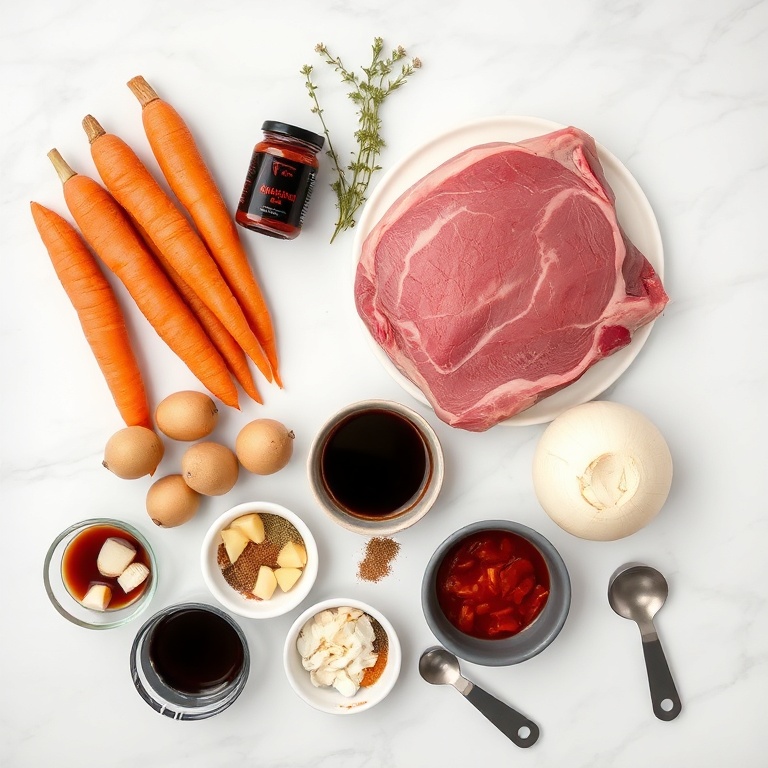
- 3 lbs beef chuck roast
- 4 large carrots, peeled and cut into 2-inch pieces
- 1.5 lbs Yukon gold potatoes, halved
- 1 large yellow onion, sliced
- 1/4 cup gochujang (Korean chili paste)
- 1/4 cup low-sodium soy sauce
- 2 tbsp brown sugar
- 1 tbsp rice vinegar
- 2 tsp sesame oil
- 4 garlic cloves, minced
- 1 inch fresh ginger, grated
- 1 cup beef broth
- 1/2 tsp black pepper
- 1 tbsp vegetable oil (for searing)
- Optional: Sliced green onions
- Optional: Toasted sesame seeds
- Optional: Extra gochujang for serving
📝 Ingredient Notes
- Beef chuck roast: The marbling keeps it moist and infuses flavor as it braises; do not use leaner cuts.
- Gochujang: Fermented Korean chili paste; use mild or spicy depending on your heat preference.
- Soy sauce: Low sodium prevents the sauce from becoming too salty as it reduces.
- Carrots and potatoes: Cut them larger so they hold their shape during long braising.
- Beef broth: Use a rich, unsalted homemade or store-bought broth for deeper flavor.
🛒 Tools & Equipment I Recommend
- Heavy Dutch oven — Retains even heat and gives the best deep brown sear—no hot spots, prevents uneven cooking. Pays for itself vs takeout. → See on Amazon
- Meat thermometer — Guarantees perfect doneness every time and prevents tough overcooked beef. Gives peace of mind even for beginners. → See on Amazon
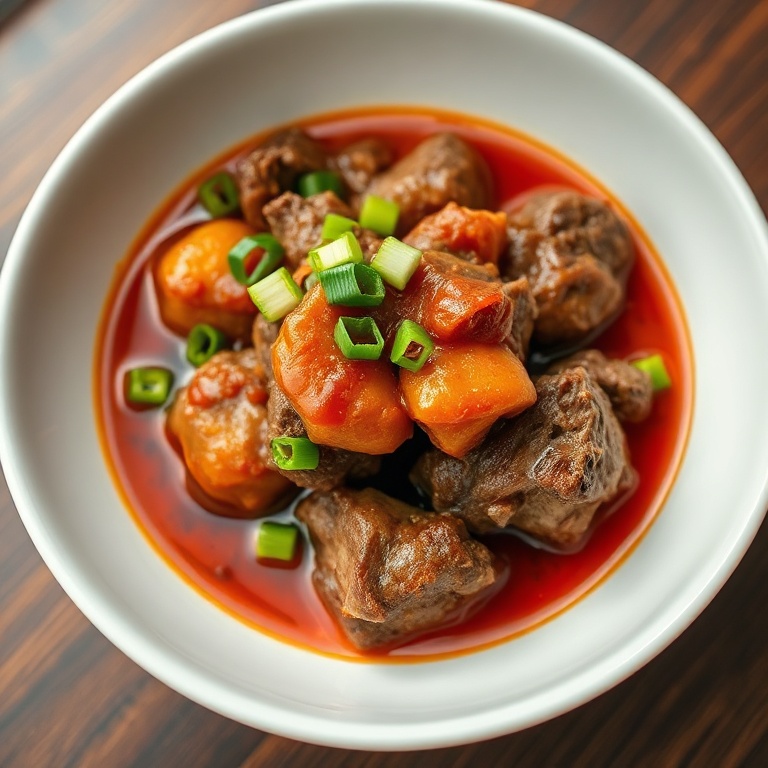
How to Make Easy Korean Pot Roast with Cozy Spicy Gochujang Sauce
- Preheat and Prep: Preheat oven to 325°F. Pat chuck roast dry with paper towels and season all sides with black pepper.
- Sear the Beef: Heat vegetable oil in a heavy Dutch oven over medium-high until shimmering. Sear the beef 3–4 minutes per side until deeply browned. Remove to a plate.
- Sauté Vegetables: Add onion, garlic, and ginger to the same pot. Cook 2–3 minutes, scraping up browned bits.
- Build the Sauce: Stir in gochujang, soy sauce, brown sugar, rice vinegar, sesame oil, and beef broth. Mix well to combine.
- Assemble Pot Roast: Add carrots and potatoes in an even layer. Nestle the seared beef on top. Spoon some sauce over the beef.
- Braise: Cover and transfer to oven. Braise 2.5–3 hours, or until beef is fork-tender and shreddable but not dry. Flip roast halfway if possible.
- Rest and Slice: Rest beef uncovered 10 minutes. Slice across the grain. Return slices to sauce to soak before serving.
- Garnish and Serve: Top with sliced green onions and sesame seeds. Serve with plenty of the spicy gochujang sauce spooned over.
Cook's Tips for Perfect Easy Korean Pot Roast with Cozy Spicy Gochujang Sauce
- Searing technique: Don’t rush the sear. Beef should be deeply golden brown—this builds the crust and flavor that makes the sauce addictive.
- Common mistake and fix: Tough pot roast usually means undercooking or using the wrong cut. Braise until a fork easily twists the meat, then let it rest to complete tenderizing.
- Veggies: Cut carrots and potatoes in big chunks (2 inches). Smaller pieces turn mushy after long braising.
- Sauce: If sauce simmers down too much, add a splash of broth during the last 20 minutes. You want thick, glossy, but not dry sauce.
Storing & Reheating Easy Korean Pot Roast with Cozy Spicy Gochujang Sauce
Short-Term Storage
Store in an airtight container in the fridge. Store leftovers in an airtight container for up to 4 days. Keep sauce and meat together for best flavor and moisture. Make-ahead tip: You can braise the roast fully up to 2 days ahead. Chill, slice cold, and rewarm gently in its sauce before serving.
Freezing Easy Korean Pot Roast with Cozy Spicy Gochujang Sauce
Slice the cooled beef and freeze with sauce in portions up to 2 months. Thaw overnight in the fridge before reheating.
How to Reheat Without Drying It Out
Oven: Place roast and sauce in a covered baking dish. Reheat at 325°F until hot, 20–25 minutes. Microwave: Reheat sliced portions with sauce loosely covered on medium power. Stir every 45 seconds until heated through, usually 3 minutes.
Recipe Notes
- Chef tip: Rest the roast after braising to lock in juices. Slicing hot meat causes it to dry out quickly and lose tenderness.
- Best substitution: If out of gochujang, blend sriracha with a pinch of brown sugar and miso. It won’t have the same depth but gives the right heat and savoriness.
- Make-ahead: This pot roast tastes even better the second day as flavors meld. Chill and skim fat from sauce, then reheat all together.
- Scaling: Double for a large group using a 6–7 lb chuck roast—extend cook time to 4.5 hours total and use two Dutch ovens if needed.
- Troubleshooting: If meat is still tough after 3 hours, cook longer in 20-minute bursts. Dry, stringy beef means it was cooked too fast or not submerged—always keep some sauce at the bottom.
Want to level up this recipe?
Large stainless steel tongs — Makes flipping large roasts safe and easy. Prevents burns and keeps your beef intact. → Check price on Amazon
Easy Korean Pot Roast with Cozy Spicy Gochujang Sauce
Ingredients
Main Ingredients
- 3 lbs beef chuck roast
- 4 large carrots, peeled and cut into 2-inch pieces
- 1.5 lbs Yukon gold potatoes, halved
- 1 large yellow onion, sliced
- 1/4 cup gochujang (Korean chili paste)
Seasonings
- 1/4 cup low-sodium soy sauce
- 2 tbsp brown sugar
- 1 tbsp rice vinegar
- 2 tsp sesame oil
- 4 garlic cloves, minced
- 1 inch fresh ginger, grated
- 1 cup beef broth
- 1/2 tsp black pepper
- 1 tbsp vegetable oil (for searing)
Optional Toppings
- Sliced green onions
- Toasted sesame seeds
- Extra gochujang for serving
Instructions
- Preheat and Prep: Preheat oven to 325°F. Pat chuck roast dry with paper towels and season all sides with black pepper.
- Sear the Beef: Heat vegetable oil in a heavy Dutch oven over medium-high until shimmering. Sear the beef 3–4 minutes per side until deeply browned. Remove to a plate.
- Sauté Vegetables: Add onion, garlic, and ginger to the same pot. Cook 2–3 minutes, scraping up browned bits.
- Build the Sauce: Stir in gochujang, soy sauce, brown sugar, rice vinegar, sesame oil, and beef broth. Mix well to combine.
- Assemble Pot Roast: Add carrots and potatoes in an even layer. Nestle the seared beef on top. Spoon some sauce over the beef.
- Braise: Cover and transfer to oven. Braise 2.5–3 hours, or until beef is fork-tender and shreddable but not dry. Flip roast halfway if possible.
- Rest and Slice: Rest beef uncovered 10 minutes. Slice across the grain. Return slices to sauce to soak before serving.
- Garnish and Serve: Top with sliced green onions and sesame seeds. Serve with plenty of the spicy gochujang sauce spooned over.
Notes
- Chef tip: Rest the roast after braising to lock in juices. Slicing hot meat causes it to dry out quickly and lose tenderness.
- Best substitution: If out of gochujang, blend sriracha with a pinch of brown sugar and miso. It won’t have the same depth but gives the right heat and savoriness.
- Make-ahead: This pot roast tastes even better the second day as flavors meld. Chill and skim fat from sauce, then reheat all together.
- Scaling: Double for a large group using a 6–7 lb chuck roast—extend cook time to 4.5 hours total and use two Dutch ovens if needed.
- Troubleshooting: If meat is still tough after 3 hours, cook longer in 20-minute bursts. Dry, stringy beef means it was cooked too fast or not submerged—always keep some sauce at the bottom.
Storage
- Fridge: Store leftovers in an airtight container for up to 4 days. Keep sauce and meat together for best flavor and moisture.
- Freezer: Slice the cooled beef and freeze with sauce in portions up to 2 months. Thaw overnight in the fridge before reheating.
- Oven reheat: Place roast and sauce in a covered baking dish. Reheat at 325°F until hot, 20–25 minutes.
- Microwave reheat: Reheat sliced portions with sauce loosely covered on medium power. Stir every 45 seconds until heated through, usually 3 minutes.
- Make ahead: You can braise the roast fully up to 2 days ahead. Chill, slice cold, and rewarm gently in its sauce before serving.
Nutrition Per Serving
- Calories: 545
- Protein: 44g
- Fat: 28g
- Carbs: 32g
- Fiber: 4g
- Sugar: 7g
- Sodium: 980mg
- Cholesterol: 142mg
- Sat. Fat: 11g
Nutritional values are estimates only. Actual values may vary by brand and portion size.
Easy Korean Pot Roast with Cozy Spicy Gochujang Sauce FAQs
Yes, you can make the entire pot roast up to 2 days in advance. Slice when cold, then rewarm the beef gently in its sauce over low heat on the stove or in the oven. The flavors deepen as it chills, and it slices cleaner, making it ideal for prepping ahead.
This happens if you undercook or use too lean a cut. Chuck roast needs a long, slow braise to break down the connective tissue. Always check doneness by twisting a fork in the beef—the roast should shred easily. If not, braise longer and keep the meat partly submerged in sauce.
Absolutely. Slice the roast after cooking and cool completely. Portion with sauce into freezer bags and freeze for up to 2 months. Thaw overnight in the fridge, then reheat slices gently in the sauce for best texture.
Use an oven-safe heavy pot with a tight lid or a covered deep roasting pan. The key is keeping moisture locked in so the beef braises, not bakes dry. Check liquid levels halfway and add broth as needed to keep the sauce covering the bottom at all times.
This dish is made for cozy winter gatherings. The spicy, warming sauce and tender beef give real comfort when it’s cold outside. Serve with plenty of sauce over rice or potatoes to soak up every drop.
A Warm Final Note
I can’t wait for you to try Easy Korean Pot Roast with Cozy Spicy Gochujang Sauce and see how effortlessly it comes together. When you make it, pop back here and leave a rating or share how it turned out — I love hearing from you!